Unified Jackpot Networks Merging Slot Progressives With Table Game Pools via Mobile Transfers
Hugo Weber · Aug 26, 2026
Unified Jackpot Networks Merging Slot Progressives With Table Game Pools via Mobile Transfers
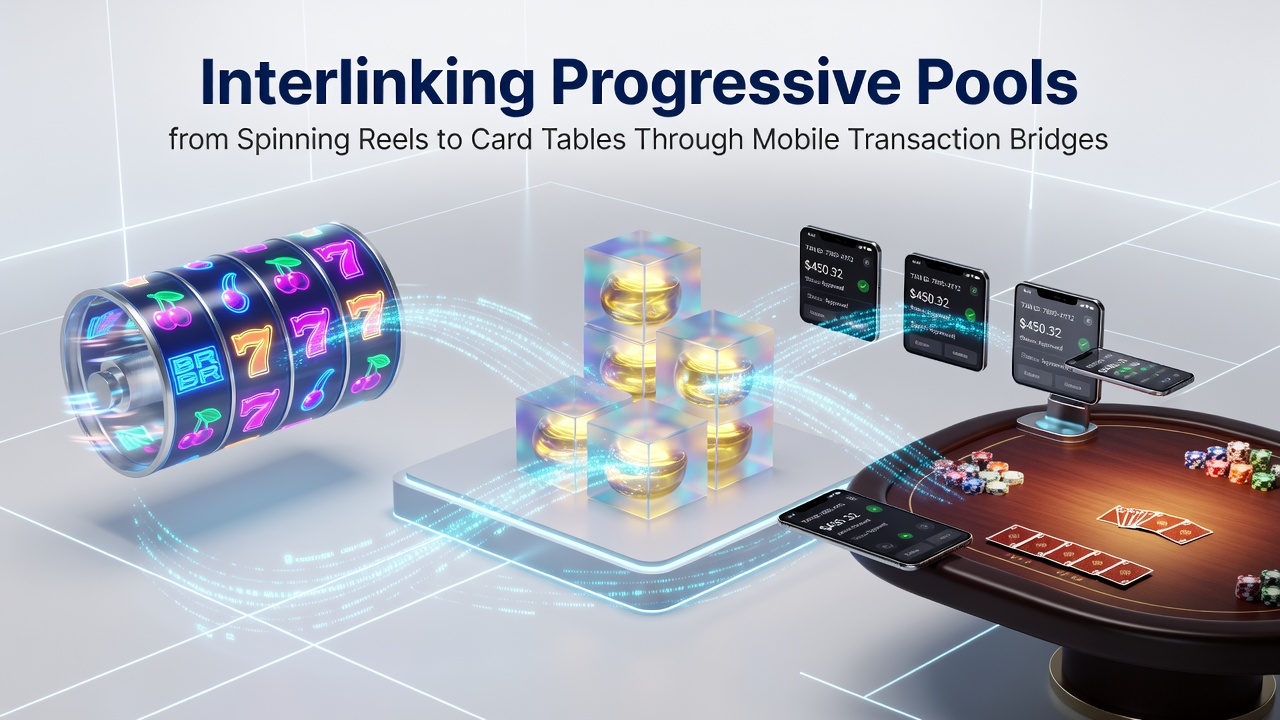
Progressive jackpot systems now extend beyond individual game categories because mobile transaction platforms allow funds and contributions to move between spinning reels and card tables in real time. Operators configure these networks so that wagers placed on slots feed into shared pools while players shift balances instantly to blackjack or roulette tables that draw from the same accumulating prize. Data from regulatory filings shows participation in cross-category progressives grew steadily through 2025 and into the first half of 2026.
How Mobile Bridges Enable Pool Integration
Transaction bridges operate through secure application programming interfaces that connect slot management systems with table game servers and player wallets on mobile devices. When a player places a bet on a progressive slot, a percentage routes to the central pool while the remaining balance stays available for immediate transfer. Observers note that these transfers occur without leaving the mobile session, which reduces friction and keeps contributions flowing into the shared jackpot. Reports released in August 2026 indicated that systems using such bridges processed over 12 million cross-game transfers monthly across major North American markets.
Technical Components Supporting Seamless Transfers
Core elements include real-time ledger updates, standardized jackpot contribution protocols, and encrypted mobile payment rails that verify player identity and account status before any move occurs. Software providers integrate these components so that a single progressive meter displays both slot and table contributions on the same screen. Researchers at the University of Nevada, Las Vegas documented how latency below 200 milliseconds maintains player trust during transfers, with most sessions completing the shift in under three seconds. The Nevada Gaming Control Board requires operators to maintain separate audit trails for each game type even when pools merge, which ensures regulatory compliance across jurisdictions.
Examples of Cross-Category Progressive Implementation
One major operator in the southwestern United States links five progressive slot banks to three live-dealer blackjack tables through its mobile platform, allowing players to accumulate contributions from both formats into one meter. Another configuration in Atlantic City feeds roulette wagers into the same pool that slot players build, with mobile vouchers handling the balance movement. Those who have examined transaction logs report that average pool sizes increased 18 percent after mobile bridges went live, because more game types fed the same jackpot. Industry analysts tracking these deployments note that participation rates climbed further when players received instant notifications of their contribution totals across game categories.

Regulatory and Security Considerations Across Regions
Authorities in multiple jurisdictions require clear disclosure of how contributions flow between game types and mandate that mobile transaction logs remain accessible for inspection. Canadian provincial regulators, for instance, emphasize player fund segregation even when progressives interlink, while Australian state commissions focus on responsible gambling prompts that appear during transfers. A 2025 white paper from the Canadian Gaming Association highlighted that encrypted mobile bridges reduced discrepancies in jackpot accounting by 27 percent compared with earlier manual reconciliation methods. Security protocols now incorporate multi-factor authentication at each transfer point, which limits unauthorized access while preserving the speed that players expect.
Data Trends Observed Through Mid-2026
Figures compiled through August 2026 reveal that mobile-enabled progressive systems captured 34 percent of total jackpot contributions in monitored markets, up from 21 percent two years earlier. Average jackpot payouts rose accordingly because larger player bases fed single pools. Those monitoring session data found that players who moved balances from slots to tables via mobile bridges tended to extend playtime by an average of 14 minutes per session. Such patterns appear consistent across both land-based and online environments where teh same transaction infrastructure operates.
Conclusion
Mobile transaction bridges have established direct pathways that merge progressive contributions from spinning reels with those generated at card tables. Technical standards, regulatory oversight from bodies such as the Nevada Gaming Control Board and Canadian Gaming Association, and measurable growth in pool sizes documented through 2026 all indicate that these integrated networks continue to expand. The architecture supports real-time movement of funds while maintaining separate accounting for each game category, which satisfies compliance requirements across different regions.