Seamless Credit Flows: App Integration Between Slot Accumulators and Live Dealer Tables
Ben Schmitz · Aug 19, 2026
Seamless Credit Flows: App Integration Between Slot Accumulators and Live Dealer Tables
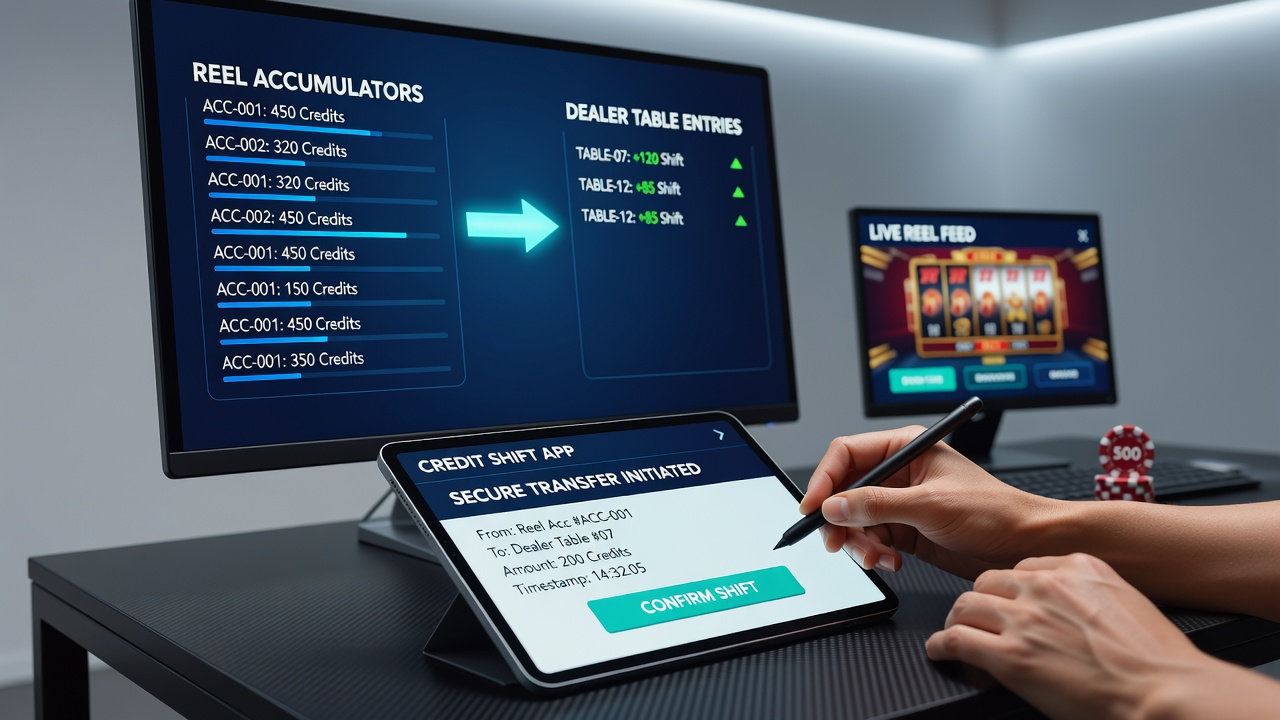
Reel accumulators build value through repeated spins on slot machines while live dealer tables require separate bankrolls for entry, yet operators have developed app-based systems that allow direct credit movement between these two formats without traditional cash-out steps. Data from multiple jurisdictions shows operators deploying these tools to reduce friction in player sessions, particularly as mobile platforms expand their reach across casino floors and remote access points.
How Accumulator Balances Move Through Mobile Systems
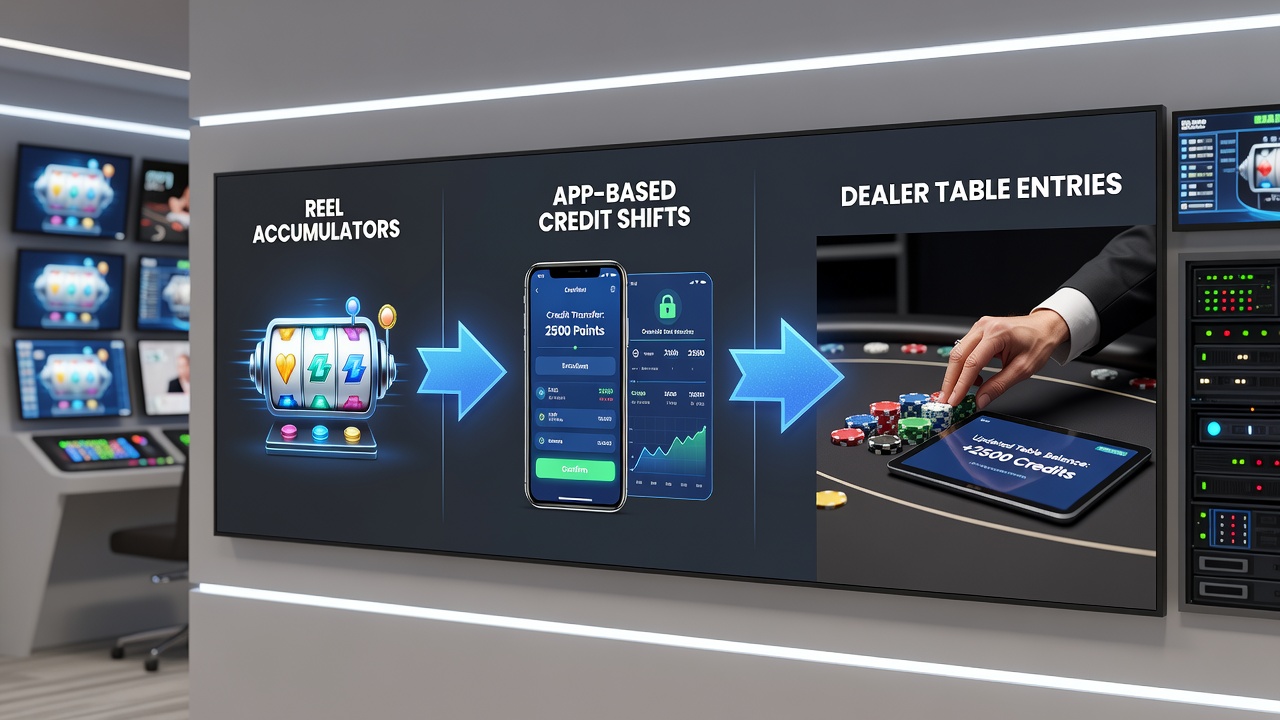
Slot machines track progressive meters and bonus accumulators in real time, and these figures feed into player accounts managed by central servers. Mobile applications pull that data through secure APIs, then present options to shift portions of those balances straight into table game wallets. The process bypasses physical ticket redemption or cashier interaction because the transfer occurs inside the same operator ecosystem, with encryption protocols handling verification at each stage.
Observers note that systems like these rely on predefined rules for minimum transfer amounts and cooldown periods between moves, which helps maintain compliance with internal controls. In practice, a player who accumulates credits on a progressive slot can open the companion app, select a live blackjack or roulette table, and execute the shift while the dealer session loads on a separate screen or device.
Technical Requirements and Security Layers
Operators integrate these features through unified player account management platforms that combine slot and table data streams. Authentication typically combines device biometrics with session tokens, while backend ledgers record every credit movement with timestamps and game identifiers. Regulatory frameworks in several regions require audit trails for such transfers, which means the apps generate reports that feed directly into compliance databases without manual input.
What's interesting is how these connections handle latency during peak hours, since live dealer games demand near-instant updates to player balances. Developers have introduced caching mechanisms and redundant servers that keep the credit shift visible within seconds even when network traffic spikes, according to reports from system providers who service multi-state casino groups.
Operational Patterns Observed in August 2026 Deployments
During August 2026 several casino groups rolled out expanded versions of these credit-shift apps across both land-based and hybrid offerings. Figures from industry monitoring groups indicate increased usage rates among players who rotate between slot banks and table pits within the same visit. The pattern shows shorter average session gaps because credits no longer sit in pending withdrawal states before re-entering play on dealer tables.
One case documented by system analysts involved a mid-sized property where daily accumulator-to-table transfers rose steadily after the app update, with most movements occurring between progressive video slots and speed roulette terminals. Staff training focused on guiding players through the app interface rather than processing manual transfers at the cage, which reduced queue times at those locations.
Player Account Management Across Game Types
Unified wallets sit at the center of these integrations, allowing a single balance view that reflects both slot accumulators and table entries. When a transfer completes, the table game software recognizes the incoming funds as available chips without additional conversion steps. This structure supports features such as automatic minimum-buy reminders that trigger only when accumulator credits drop below table entry thresholds.
Researchers tracking user behavior across multiple properties have documented how these tools influence play sequences, with data showing more frequent switches between high-volatility slots and lower-stakes dealer tables in the same evening. The mechanics remain consistent regardless of whether the player remains on-site or accesses remote table streams through the same app.
Regulatory and Compliance Considerations
Authorities in various regions require clear separation between promotional credits and cashable balances during these shifts, which the apps enforce through tagged ledgers. Nevada Gaming Control Board guidelines, for example, emphasize real-time reporting of large transfers, and similar expectations appear in frameworks used by Canadian provincial regulators. Operators therefore configure the apps to flag movements that exceed certain thresholds and route them through additional verification layers before completion.
Trade associations such as the American Gaming Association have published summaries of how these systems align with responsible gaming tools, including optional spending caps that apply across both slot and table segments. The documentation shows operators can extend the same limit across game types without separate configurations for each category.
Future Integration Pathways
Developers continue refining the handoff process between accumulator tracking and table entry protocols, with attention on multi-property ecosystems where credits might originate on one site and apply at another. Early tests in limited markets demonstrate that cross-location transfers can maintain the same security posture as single-site movements when the central system maintains synchronized ledgers.
Academic studies from gaming technology research centers have begun examining the data volume generated by these frequent small transfers, noting that aggregated logs provide operators with granular insight into player movement patterns without requiring additional tracking hardware on the gaming floor.
Conclusion
App-based credit shifts between reel accumulators and live dealer tables represent a direct connection between two previously separate segments of casino play. The systems rely on unified account structures, encrypted mobile interfaces, and compliance-ready reporting tools that operate across multiple regulatory environments. As more properties adopt these features, the underlying data flows and security protocols continue to evolve in response to both operational demands and oversight requirements.