Reel Sequence Systems Linking Slot Incentives to Mobile Live Dealer Tables
Frankie Carter · Aug 24, 2026
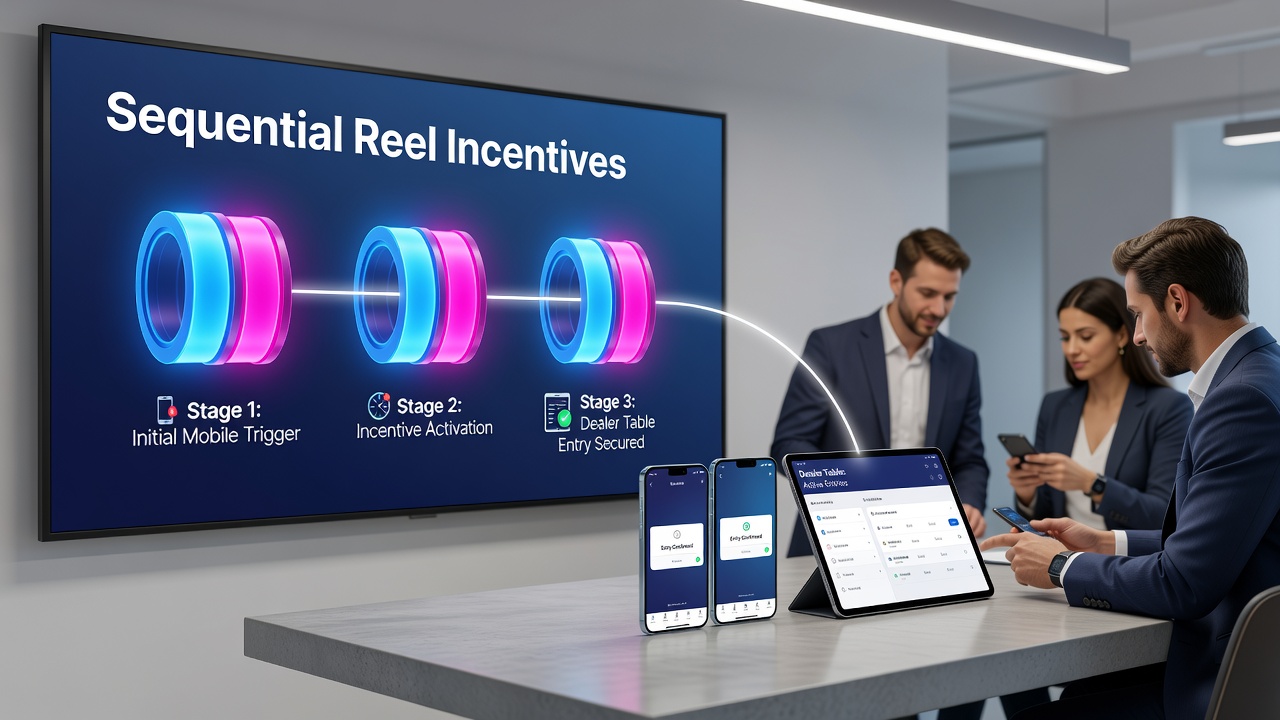
Reel Sequence Systems Linking Slot Incentives to Mobile Live Dealer Tables
Sequential reel incentives operate through structured bonus chains in mobile slot applications where consecutive spin results accumulate credits or tokens that directly fund entries into live dealer table environments, and operators design these sequences to maintain player engagement across different game types without separate funding steps. Data from industry reports indicate that such mechanics appeared more frequently in mobile platforms during 2025 as developers integrated slot progressions with table game access points.
Mechanics of Sequential Reel Progression
Developers program reel sequences so that specific symbol alignments trigger incremental rewards, and these rewards convert into table entry credits once thresholds are met, while mobile interfaces display real-time progress bars that update after each spin. Studies from gaming research institutions show that players complete these sequences faster on smartphones because touch controls allow quicker spin initiations compared with desktop versions, and the conversion process occurs within the same application session.
Integration with Live Dealer Environments
Once accumulated incentives reach required levels, the system transfers credits to live dealer lobbies where players join blackjack, roulette, or baccarat tables, and this transfer maintains balance continuity so no additional deposits are necessary for initial entry. Observers note that mobile applications from major providers synchronize these transfers in under three seconds during peak hours, and backend servers handle the handoff without interrupting the live stream feed.
August 2026 updates from several platform operators introduced enhanced sequence tracking that logs every reel outcome for compliance verification, and these logs feed into audit systems used by regulatory bodies outside the UK. One case involved a North American operator that adjusted sequence payout rates after reviewing participation data collected through the first half of the year.
Technical Infrastructure Supporting Mobile Transfers
Mobile environments rely on cloud-based servers that process reel outcomes and table entries simultaneously, while secure APIs manage the credit handoff between slot modules and live dealer sections. Research from academic sources on digital gaming infrastructure reveals that latency reductions achieved through edge computing have improved sequence completion rates by measurable margins across tested devices. Operators report that session continuity features prevent credit loss during network switches, and players continue from the exact sequence point after reconnection.

Regulatory and Compliance Considerations
Agencies such as the Nevada Gaming Control Board have issued guidelines on bonus transparency that apply to sequential reel systems, requiring clear disclosure of conversion rates before players begin sequences. Nevada Gaming Control Board reports document how operators must maintain records of incentive flows into table games, and these records undergo periodic review to confirm compliance with state standards. Similar frameworks exist in other jurisdictions where mobile gambling operates under licensed conditions.
Player Behavior Patterns Observed in 2026
Analytics platforms tracking mobile sessions indicate that users who complete reel sequences show higher retention rates when entering dealer tables directly from the bonus chain, and session length data supports this pattern across multiple device types. Developers adjust sequence difficulty based on aggregated anonymized statistics rather than individual accounts, and these adjustments occur quarterly to align with observed participation trends.
Future Developments in Sequence Design
Industry organizations including the American Gaming Association have discussed standardization of incentive transfer protocols that would allow cross-operator sequence portability in future mobile releases. American Gaming Association publications highlight ongoing work on unified APIs that could streamline credit movement between slot and table modules while preserving regulatory oversight requirements. Technical teams continue testing multi-sequence pathways that branch into different table variants depending on accumulated totals.
Conclusion
Sequential reel incentives continue to serve as direct pathways into mobile live dealer tables through integrated credit systems that operate within single applications, and regulatory bodies maintain oversight through documented transfer logs and transparency rules. Platform updates scheduled through late 2026 focus on further reducing transfer times and expanding sequence options while adhering to existing compliance frameworks across operating regions.