Portable Platforms and Credit Flow: Integrating Accumulator Systems Between Slot Machines and Table Games
Vera Braun · Aug 26, 2026
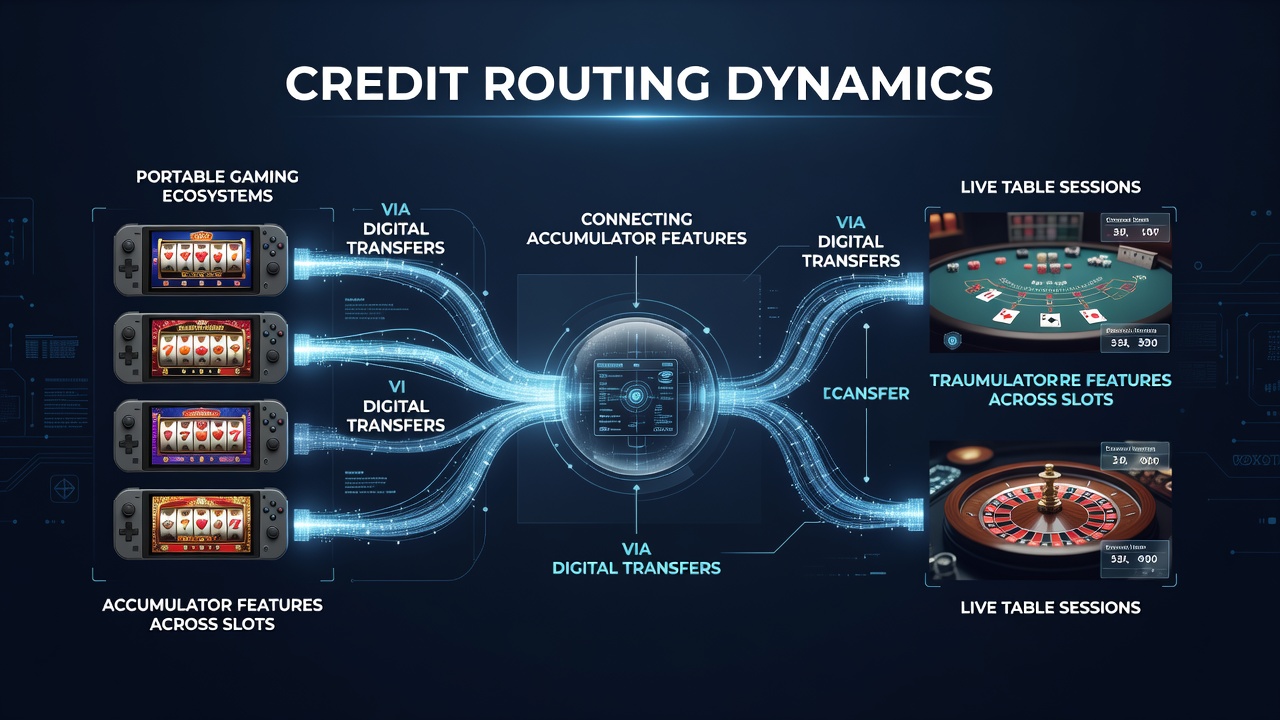
Portable Platforms and Credit Flow: Integrating Accumulator Systems Between Slot Machines and Table Games
Portable gaming ecosystems rely on credit routing systems that move funds between slot accumulators and live table sessions through digital transfer protocols, and these processes operate across multiple device types and operator platforms. Accumulator features in slot games collect small contributions from each wager into progressive pools while live table environments use similar mechanics for side bets and bonus rounds, yet the connection between the two requires secure APIs and instant settlement layers that maintain balance integrity during transfers.
Core Mechanisms of Accumulator Connectivity
Slot accumulators function by diverting a fixed percentage of each spin into a central pool that grows until triggered by specific conditions, and digital transfer tools allow portions of those accumulated credits to shift into live dealer sessions where table games apply their own contribution rates. Researchers at the University of Nevada Reno documented how these pools maintain separate ledgers yet synchronize through encrypted channels that prevent double counting or loss during movement. Data from the American Gaming Association shows mobile sessions account for rising volumes of such cross-game activity in regulated markets.
Live table accumulators operate on parallel principles where players contribute to community pots during blackjack or roulette rounds, and the routing layer treats incoming credits from slots as equivalent value that can seed new bets without additional conversion steps. Observers note that this equivalence depends on real-time reconciliation engines that update balances across game servers within milliseconds, and the process avoids latency spikes by caching temporary ledgers on the device itself.
Digital Transfer Protocols in Mobile Environments
Digital transfers occur through tokenized wallet services that authorize movement between game categories while preserving audit trails required by licensing authorities. In August 2026 several platform providers plan to roll out enhanced routing modules that support multi-currency accumulator pools, allowing credits earned in one region to apply directly to table sessions hosted elsewhere. These updates build on existing infrastructure that already handles instant deposits from external payment providers into unified gaming accounts.
Security and Compliance Layers
Security protocols encrypt each transfer request with session-specific keys while compliance checks verify that accumulator contributions meet minimum thresholds before any credit leaves the originating game. Industry reports from the European Gaming and Betting Association indicate that operators using these layered checks report fewer reconciliation discrepancies compared with earlier single-ledger systems. The routing engine also flags unusual patterns such as rapid back-and-forth movements between slots and tables, triggering additional verification without interrupting legitimate play.

Device-level storage of partial accumulator data enables continued play during brief network interruptions, and once connectivity resumes the system reconciles any pending transfers against the central server records. This approach reduces player friction while still satisfying regulatory demands for complete transaction histories that span multiple game types.
Implementation Patterns Across Operators
Operators integrate these routing features through modular software kits that connect existing slot and live dealer engines to a shared transfer middleware layer. One documented rollout in a North American market allowed players to allocate a percentage of slot accumulator winnings directly to live roulette bankrolls, and the same framework supported reverse flows where table game wins funded additional slot spins. Figures released by regulatory bodies in multiple jurisdictions reveal steady growth in the number of licensed platforms offering such bidirectional credit movement.
Testing environments replicate high-volume scenarios to confirm that accumulator values remain accurate after thousands of simultaneous transfers, and results from these simulations guide capacity planning for peak usage periods. The architecture also accommodates future additions such as tournament modes where pooled credits from both slots and tables feed into shared prize structures.
Conclusion
Credit routing dynamics in portable gaming ecosystems continue to evolve through tighter integration of accumulator features and digital transfer capabilities, and the resulting systems support seamless movement of value between slot and live table environments. Ongoing technical refinements scheduled through 2026 focus on expanding multi-currency support and strengthening reconciliation speed while preserving security standards already in place across major markets.