Exploring Credit Migration Systems in Mobile Gaming Platforms
Ben Schmitz · Aug 24, 2026
Exploring Credit Migration Systems in Mobile Gaming Platforms
Core Architecture Behind Cross-Game Credit Transfers
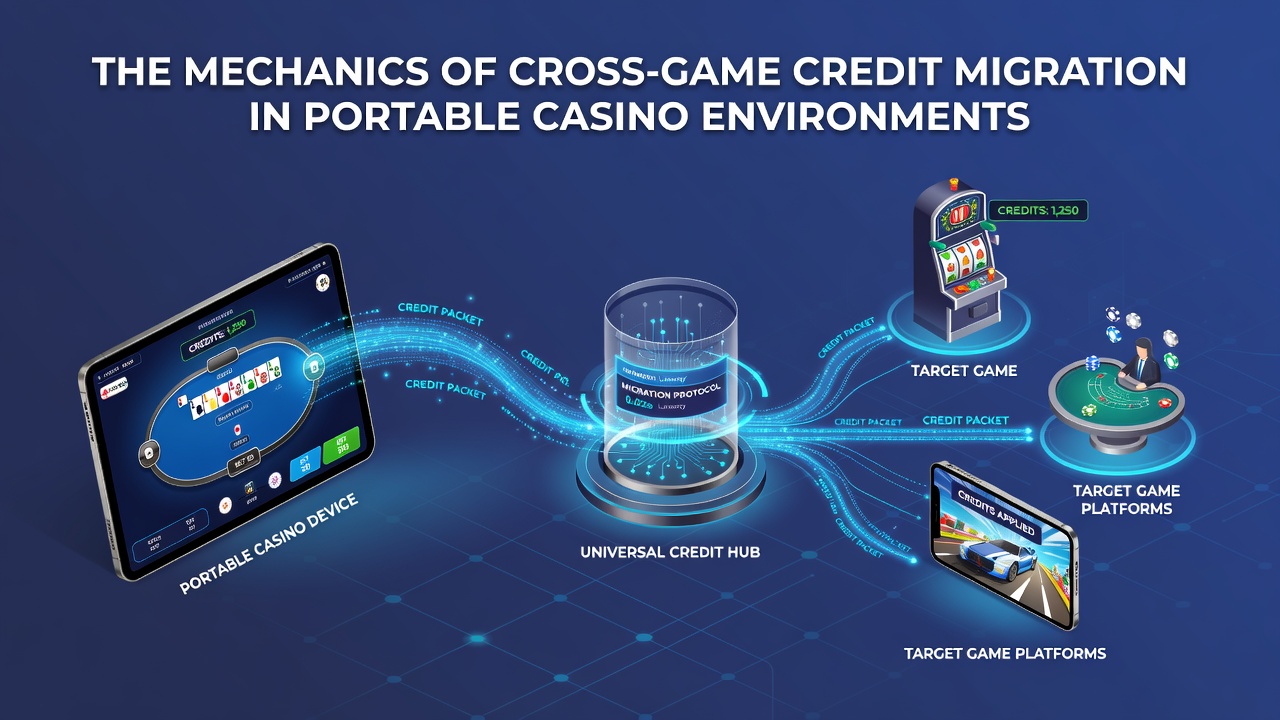
Portable casino environments rely on centralized wallet systems that allow credits to move between different game types without requiring separate deposits or withdrawals for each session, and developers build these systems around real-time API calls that update player balances across slots, blackjack, and roulette modules in a single transaction cycle. Research from the Gaming Standards Association shows standardized protocols such as G2S and S2S facilitate this movement by maintaining a persistent credit ledger that syncs instantly when players switch titles on their devices.
Engineers design the backend to handle micro-transactions that debit credits from one game server and credit them to another while preserving game state data like current bets and bonus rounds, and this process typically completes in under two seconds according to performance benchmarks released by several major platform providers. Data from industry reports indicates average transfer volumes per active user reached 47 instances per day during peak periods in mid-2025, with portable environments accounting for the majority of such activity.
Technical Layers Supporting Instant Fund Shifts
Three primary layers operate in sequence during credit migration: the presentation layer on the mobile device, the middleware that authenticates and routes requests, and the core database that records every balance change with cryptographic timestamps. Observers note that middleware components often incorporate load-balancing algorithms to prevent bottlenecks when thousands of simultaneous transfers occur during live events or promotional periods.
Security protocols embed tokenization at each layer so that actual monetary values never transmit in plain text across networks, and encryption standards follow guidelines established by the National Council on Problem Gambling research initiatives that examined transaction integrity across multiple jurisdictions. August 2026 brought updated compliance requirements in several North American markets that emphasized enhanced audit trails for cross-game movements, prompting operators to integrate additional logging mechanisms without disrupting player flow.
Database sharding techniques allow the system to isolate game-specific data while maintaining a unified player balance record, and this architecture prevents conflicts when one game experiences high traffic while another remains idle. Studies conducted by university engineering departments have measured latency reductions of up to 34 percent after implementing sharded ledgers in test environments that simulated real-world portable usage patterns.
Player-Side Mechanics and Interface Design
Mobile interfaces present credit migration through simple swipe or tap gestures that trigger confirmation dialogs displaying the exact amount moving between games, and these designs minimize cognitive load by showing live balance previews before the transfer executes. Developers incorporate progress indicators that update in real time to reflect successful completion, reducing instances where users attempt duplicate transfers due to perceived delays.
Those who analyze user behavior data report that players frequently migrate credits during bonus rounds or after significant wins to test different game volatility levels within the same session. Portable environments support this flexibility through session tokens that remain valid across multiple game clients, allowing seamless transitions even when network conditions fluctuate during travel or commutes.
Regulatory and Compliance Considerations
Regulators in various regions require operators to maintain detailed records of every credit migration event to support responsible gambling measures and financial oversight, and these records must include timestamps, originating game, destination game, and player identifier without storing sensitive payment details. Canadian provincial frameworks have established clear data retention periods that operators must follow when handling cross-game activity logs.
Automated monitoring tools flag unusual migration patterns that might indicate technical glitches or policy violations, and such systems operate continuously to generate compliance reports on demand. Figures released by gaming control boards in multiple Australian states reveal steady growth in portable platform usage, with cross-game transfers comprising an increasing share of overall transaction volume through 2026.
Conclusion
Mechanics of cross-game credit migration in portable casino environments combine robust backend architectures with user-friendly mobile interfaces to deliver efficient balance transfers across diverse game types. Standardized protocols, layered security measures, and regulatory-compliant logging systems work together to support the volume and speed demanded by modern players. Continued refinements in database management and interface design keep these processes reliable as portable usage expands across different markets and time zones.